



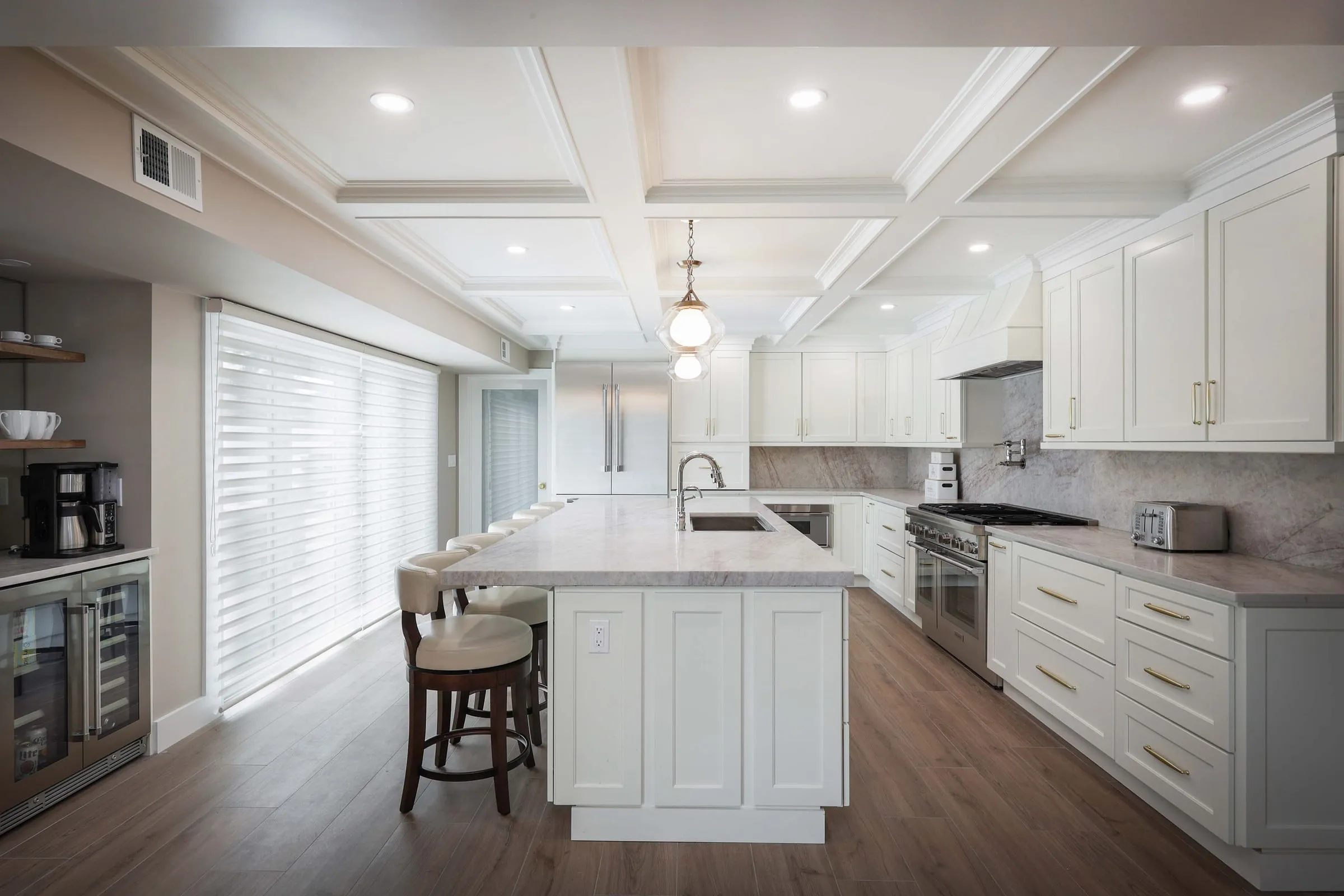
Is an interior designer worth it?
Sometimes yes, sometimes no. Here is how to tell which one you are, what designers in this market charge, and what to watch out for.
It depends on how expensive the mistake would be.
On a small cosmetic project, you probably do not need a designer. On a kitchen or a whole-home renovation, you almost certainly do.
The reason is simple. A contractor builds what you put in front of them. A designer makes sure the thing in front of them is right, before it is framed and plumbed and impossible to change.
A design fee is a few percent of a six-figure project. Redoing a kitchen you do not love is not a few percent of anything.
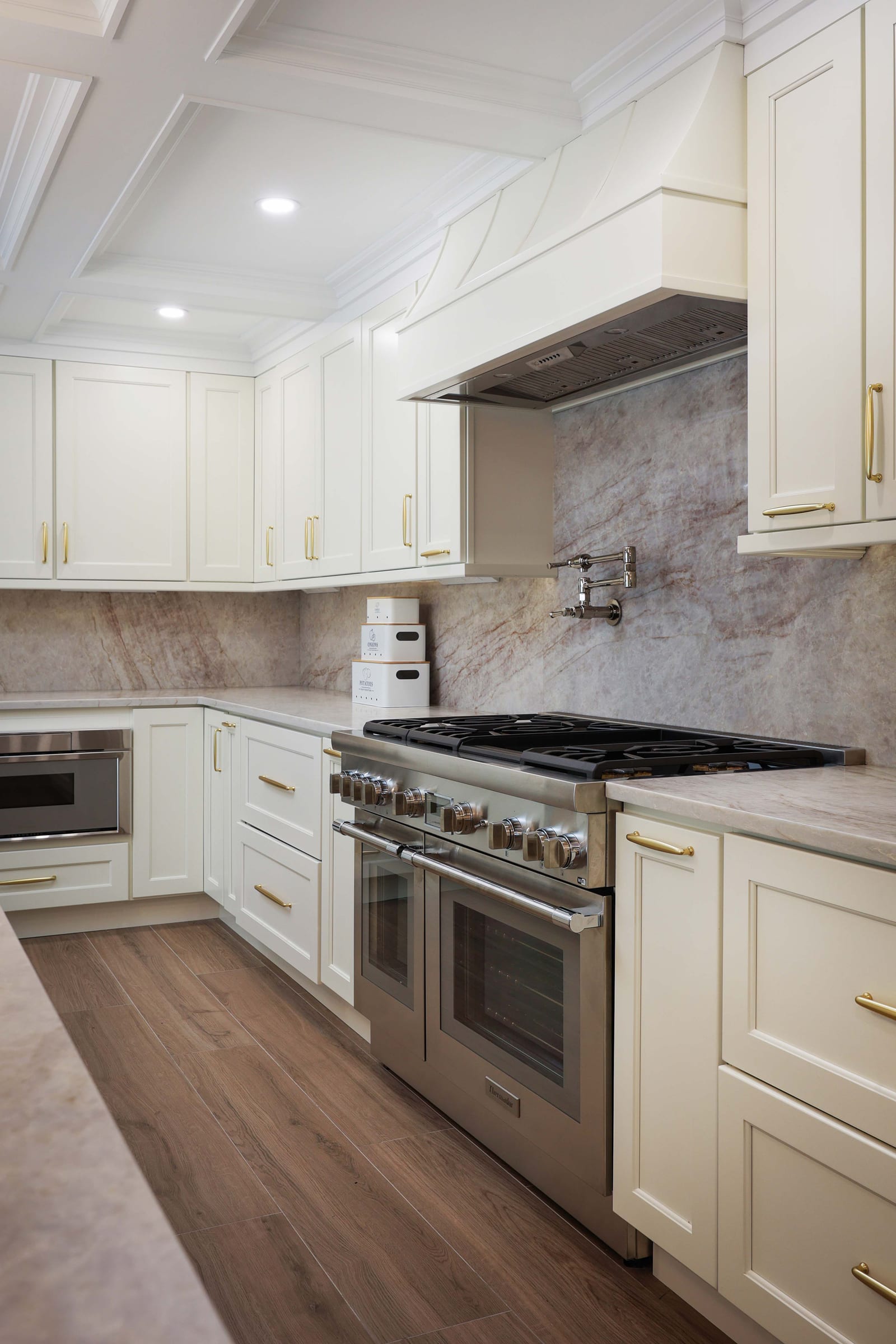
Three ways designers charge.
These are market ranges, gathered from what designers publish and what buyers report. They are not any one firm's price list. Ask whoever you talk to for theirs in writing.
$4,500 to $15,000+
By scope. No meter running while you decide. Most common on kitchens.
10 to 20%
Of the build cost. Scales with the project, for better and worse.
$150 to $200
Often cheapest on small jobs. Hardest to predict on big ones.
There is a fourth way, and it is the one to ask about directly: a markup on the furniture and materials you buy. It is a legitimate model. It only becomes a problem when nobody tells you it is happening.
Eight red flags when hiring a designer.
Virginia has spent twenty years in this trade and has cleaned up after several of these. None of them is rare.
They will not tell you how they get paid
Ask straight out. Flat fee, hourly, or a cut of what you buy? Any of the three can be fair, and hiding which one it is never is. If the answer comes back vague, walk.
They earn on what you buy, and will not say so
Plenty of designers take a markup on furniture and materials. That is normal. What is not normal is hiding it, because then you cannot tell whether a product was chosen for your room or for their margin.
You get a mood board instead of a plan
Pretty images are the easy part. Ask for a floor plan, elevations, and a spec list. If nobody can show you those, your builder will be guessing.
No contract, or a very thin one
The agreement should say what you get, how many revisions, what happens if you change your mind, and who owns the drawings. A one-page quote is not a contract.
They start demolition before materials arrive
This is the single biggest cause of a kitchen sitting open for months. Cabinets and tile should be in hand, or have a firm date, before anyone swings a hammer.
Every room they show looks the same
Look past the style. Do their projects look like different people live in them? If ten homes share one palette, you are buying their taste, not yours.
No credentials, and no references you can call
ASID and NKBA are checkable in a minute. So are reviews. A designer who cannot hand you three past clients to phone is asking for a lot of trust.
They agree with everything you say
You are paying for judgement. A designer who never pushes back is not protecting you from an expensive mistake. She is just taking the order.
Four things you are buying.
The mistakes cost more than the fee
One wrong layout call can mean moving plumbing later. One wrong cabinet order can mean living with it for twenty years. Design is the cheap part of a six-figure project.
You get one person accountable
Without a designer, you are the general contractor for taste. Every question lands on you, usually while you are at work.
Trade access and better buying
Designers reach lines you cannot walk in and buy. That widens what is possible, and it often narrows the price gap between designed and not.
The room actually gets finished
Most half-done rooms were not abandoned. They stalled on a decision nobody could make. That is exactly what a designer is for.
Times you do not need a designer.
- You already know exactly what you want, and it is simple.
- The project is one room, cosmetic, and small.
- You genuinely enjoy sourcing and have the time for it.
- The budget is tight enough that the fee would come out of the work itself.
A designer who tells you that you do not need her is worth listening to on the day you do.
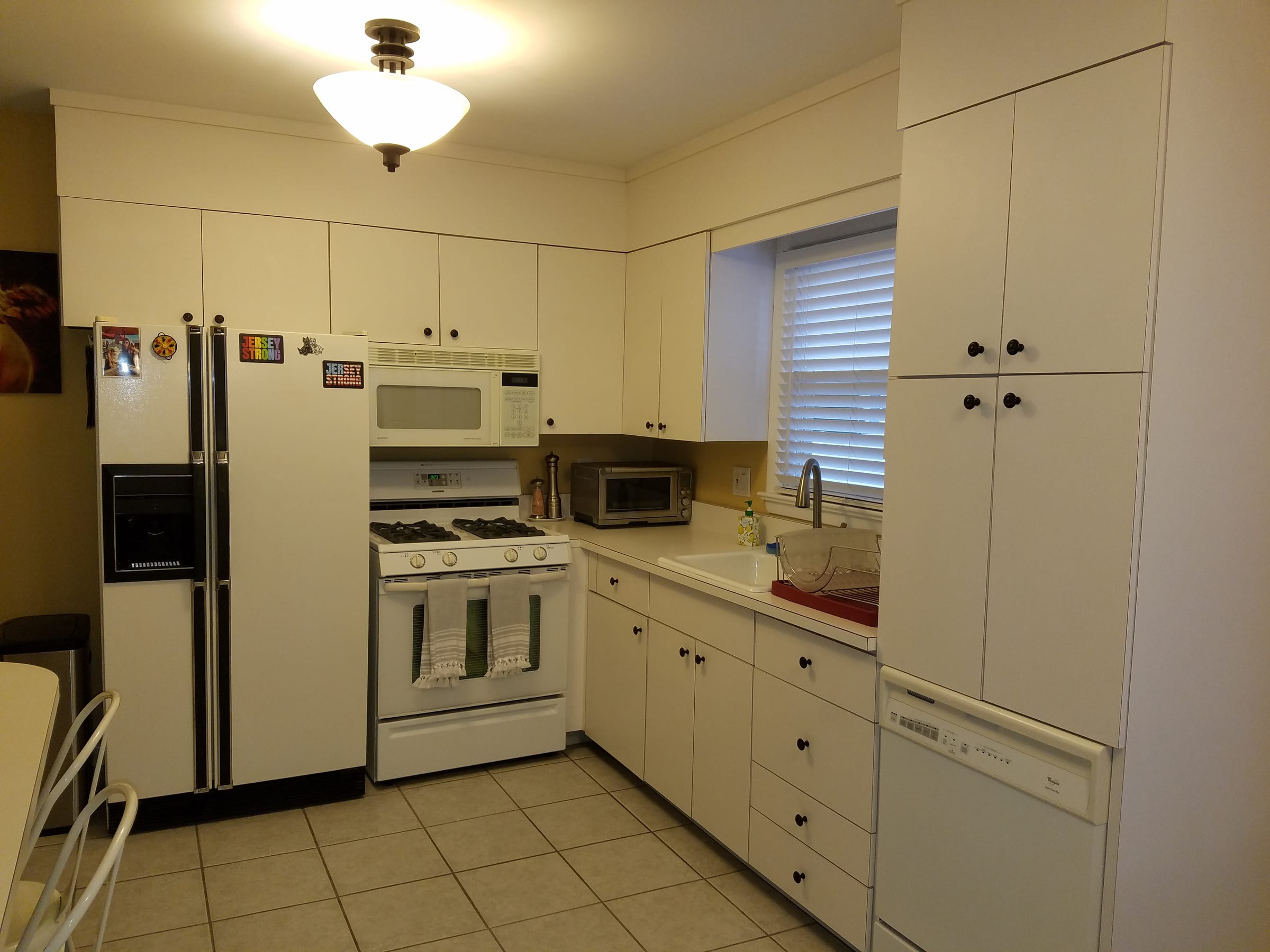
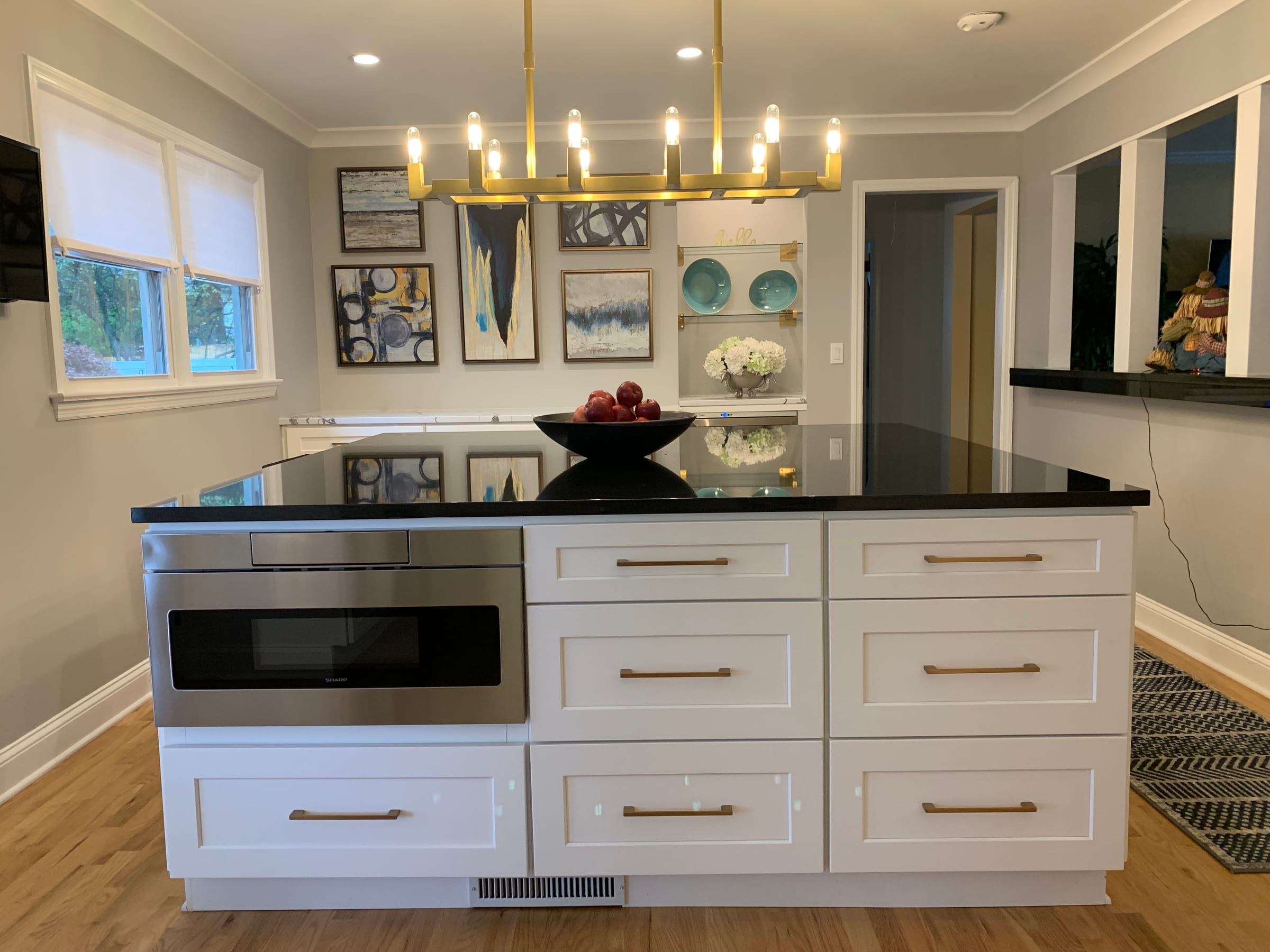
The same room, decided on purpose.
From Virginia's portfolio of earlier work on the East Coast.
Credentials that are checkable
-
Best of Houzz
Service · 2017, 2019, 2020
-
ASID
Allied Member
-
NKBA
National Kitchen & Bath Association
-
FIT
Fashion Institute of Technology
-
Industry Magazine
Featured Designer
What people ask before they hire a designer
How much does an interior designer cost in Charlotte, NC?
Across the market, designers usually charge one of three ways: a flat fee by project, commonly $4,500 to $15,000 or more depending on scope; a share of the project, usually 10 to 20 percent; or an hourly rate, commonly $150 to $200. These are market figures, not one firm's price list. Ask which model a designer uses. Ask before you fall for their portfolio.
How much should I expect to pay for an interior designer?
Work back from the project, not from the designer. On a whole-room renovation, design tends to land in the range of 10 to 20 percent of the build cost. On a smaller cosmetic project, an hourly arrangement is often cheaper. The useful question is not what the fee is. It is what the fee protects.
Is it worth paying for an interior designer?
It depends on how big the decision is. On a small cosmetic refresh, often no. On a kitchen or a whole-home job, usually yes, because getting the layout or the cabinets wrong costs far more than the fee. A designer is cheapest on the work that is hardest to undo.
What are red flags when hiring a designer?
The big ones: a designer who will not explain how she is paid, a mood board in place of a real plan, no written contract, demolition started before materials arrive, a portfolio where every home looks the same, and no credentials or references you can check. One more gets missed. A designer who agrees with everything you say. You are paying for judgement.
What is the average cost for a kitchen designer?
In most markets a kitchen design fee runs about $4,500 to $15,000 or more, depending on whether the layout changes and how much of the cabinetry is custom. Some designers instead charge 10 to 20 percent of the project. Again, these are market ranges. Ask any designer for hers in writing.
How much does it cost to get a kitchen designed?
The design fee is one number and the kitchen is another. Design commonly runs a few thousand to the mid five figures. The finished kitchen it describes is usually a much larger number. Do not judge the fee without holding it next to the build cost it governs.
Is $30,000 enough for a kitchen remodel?
It can be, if the layout stays put. Thirty thousand tends to cover new cabinets at the value end, a counter, a backsplash and paint. It will not usually stretch to moving plumbing, structural changes or custom cabinetry. Be honest with yourself about which project you are really doing.
Is $10,000 enough for a kitchen remodel?
Not for a full remodel in most cases. Ten thousand is a refresh budget. It can do a great deal: paint or reface existing cabinets, new hardware, a new counter in a modest material, lighting, and a backsplash. That is a real improvement, and it is not a renovation.
What is the 70/30 rule in interior design?
It is a balance guide. Roughly 70 percent of a room follows one dominant style or tone, and about 30 percent contrasts with it. It keeps a room from looking either bland or chaotic. Treat it as a starting point, not a law.
What is the 3-5-7 rule of decorating?
Group objects in odd numbers. Three, five, or seven. Odd groupings read as arranged rather than lined up, because the eye cannot split them evenly. It is a styling habit, and it will not fix a room whose layout is wrong.
Find out if it is worth it for your project.
Virginia visits your home, listens, and tells you what the project involves. The first visit is free.